Is dancing a good workout for women over 30?
Yes. A follow-along dance workout is genuine moderate-intensity cardio — roughly on par with brisk walking to light jogging — and it trains coordination and balance while staying easy on your knees and joints. But for most women over 30, its biggest advantage is simpler than any of that: it's fun enough that you actually keep doing it, and consistency beats intensity for long-term results.
Is dancing actually effective exercise — or just fun?
Both, and that's the point. In exercise science, activity intensity is measured in METs (metabolic equivalents). General dancing sits around 5 METs and energetic dance-fitness sessions around 6–7 — for comparison, brisk walking is about 4.3 and jogging about 7. In plain terms: a dance workout works your heart and lungs about as hard as the “serious” cardio you feel like you should be doing.
Every dance session also counts toward the 150 minutes of moderate-intensity activity per week that the WHO recommends for adults. And unlike a treadmill, dancing constantly asks your brain to work — recalling short sequences, coordinating arms and legs, keeping time to music. That combination of movement and memory is exactly the kind of engagement researchers study when they look at exercise and the brain — and it's something a treadmill never asks of you.
What dancing won't do: build serious muscle. It's cardio and coordination, not strength training. If you can add one or two simple strength sessions a week, do — but don't let that stop you from starting with the part you'll enjoy.
Why dance fits your 30s so well
Your 30s are usually when free time collapses — career, family, everything at once — and when a few years away from exercise quietly turn into many. Dance workouts fit that reality unusually well:
- Short and at home. A real session takes 15–30 minutes in your living room. No commute, no childcare logistics, no gym clothes anxiety.
- Kind to joints. Dance can be fully low-impact — stepping, not jumping — which matters if running or jump-heavy HIIT leaves your knees complaining. Those weight-shifting steps still give your bones gentle weight-bearing load — worth having, since bone density starts declining from your late 30s.
- A low bar to restart. If you haven't exercised in years, the hardest workout is the first one. Pressing play on a video in private is about as low as that bar gets.
- Mood, not just muscles. Moving to music you like is one of the most reliable everyday mood-lifters there is — regular exercise, dance included, is consistently linked with fewer anxiety and low-mood symptoms. And enjoying a workout is the single best predictor that you'll do it again next week.
One more thing worth naming: as hormones begin shifting through your late 30s and 40s, regular moderate cardio is one of the few levers for steadier mood, energy, and sleep that's entirely in your hands. Not a fix for everything — but a lever you control.
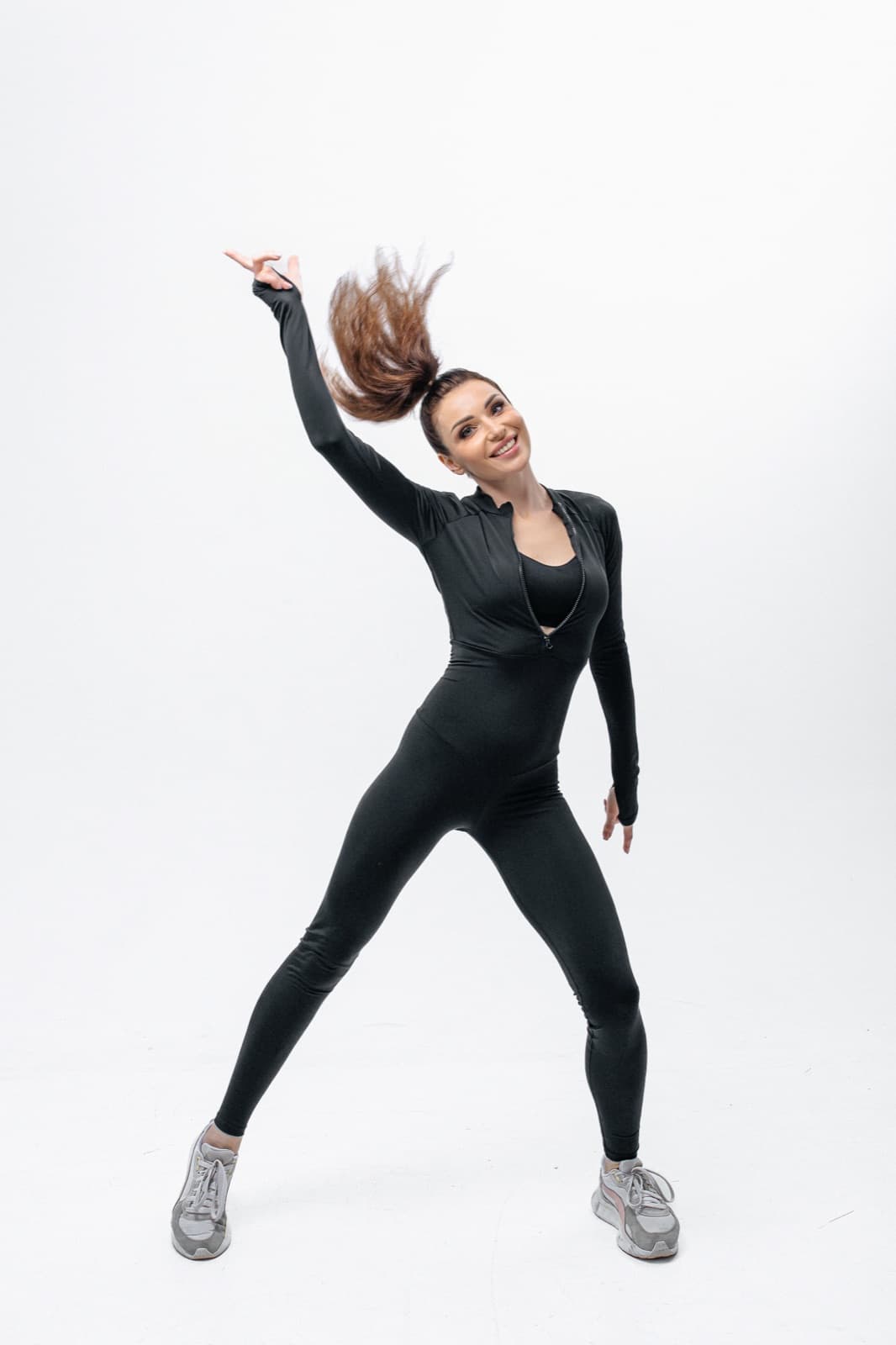
How often should you dance to see results?
Three to four sessions of 15–30 minutes a week is a realistic, effective rhythm — that's 60–120 minutes, most of the way to the weekly guideline before you count a single walk. A daily short session works too if you prefer routine over scheduling.
Set expectations honestly: energy and mood respond within the first week or two, stamina in about two to three weeks, and visible fitness changes in six to eight. Anyone promising more than that in three weeks is selling something. What a three-week rhythm can genuinely give you is the thing that makes all the rest inevitable: a habit.
Do you need experience or “natural rhythm”?
No. Follow-along workouts mean you copy an instructor on screen, move by move — closer to a workout video than a dance class. You can pause, replay a section, and go at your own speed, and nobody is watching. Feeling clumsy in session one is normal and temporary: coordination is a skill that improves with repetition at any age, not a talent you were born with or without.
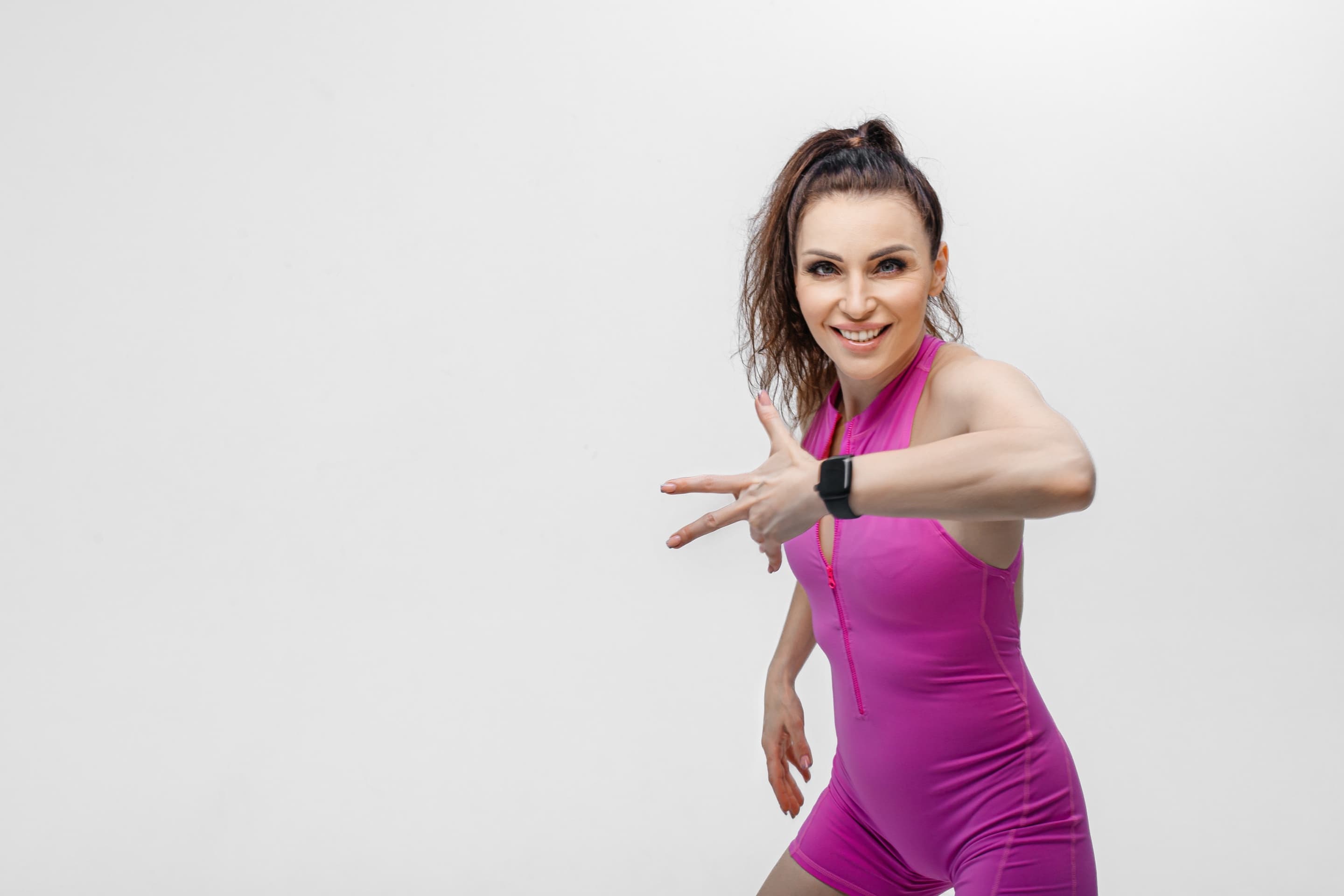
Check out the 21‑Day Dance Challenge
Short, beginner-friendly dance workouts you follow along at home, led by choreographer Anastasiia. The first session is free to watch — no sign-up, just press play and see how it feels.
See the ChallengeCommon questions
- Is dancing enough exercise on its own?
- For cardio, yes — regular dance sessions can cover most of the 150 minutes of moderate activity per week that the WHO recommends. Dancing alone won't build significant muscle, so if you can, add one or two simple strength sessions a week. But as the exercise you actually stick with, dance is a complete starting point.
- Are dance workouts OK if I have sensitive knees?
- Dance workouts can be done fully low-impact — stepping instead of jumping, at your own pace, on a normal floor at home. That makes them gentler than running or jump-based HIIT. If you have an existing injury or pain, check with a doctor first, and skip or soften any move that doesn't feel right.
- How long until I notice results from dance workouts?
- Mood and energy usually respond first — often within the first week or two. Noticeably better stamina tends to take two to three weeks of regular sessions, and measurable fitness changes around six to eight weeks. The honest key variable is consistency, not intensity.
- Can I lose weight with dance workouts?
- Dancing burns roughly 150–250 calories per 30-minute session depending on your weight and how energetic the session is, so it helps — but weight loss depends mostly on what you eat. It's fair to expect dance to improve your fitness, energy, and shape; it's not fair to expect it to outdance your diet.
- Am I too old to start dancing at 30, 35, or 40 if I've never danced?
- No. Follow-along dance workouts are made for people with zero experience — you copy simple moves from a video, you can pause and repeat, and nobody is watching. Coordination improves with practice at any age; it's a skill, not a talent you either have or don't.