A dance challenge for women over 40 (and 50)
Getting back in shape at 45 doesn't need a different kind of exercise — it needs a different kind of plan. Your 40s and 50s reward consistency over intensity, structure over willpower, and low-impact over heroics, which happens to be exactly what a well-built dance challenge provides. Here's what genuinely changes at this age, what dance covers brilliantly, and the one thing it doesn't replace.
What actually changes in your 40s and 50s
Three things, none of them dramatic. Research shows muscle mass declines gradually from our 30s onward and the loss speeds up with each decade; bone density follows a similar slow slope from around 40. And recovery genuinely takes longer — where a 25-year-old bounces back from a hard session in a day, a 45-year-old often needs two or three.
The practical conclusion isn't “do less.” It's “stop training like sporadic twenty-something.” The approach that fails hardest at this age is the January special — nothing for months, then five brutal sessions in a week, then injury or exhaustion. What works is the opposite shape: moderate, regular, planned recovery. Which is why the challenge format fits this decade better than any other.
Why a structured challenge beats “just exercise more”
- It removes the daily decision. At this stage of life the scarce resource isn't capability — it's decision energy. “Today's session” asks nothing but pressing play.
- Rest days are built in, not earned. A good challenge schedules recovery — which your 40s actually require — instead of treating it as slacking.
- It's sized for consistency. Short sessions three to four times a week outperform sporadic intensity for lasting results — and they survive real calendars with jobs and families in them.
- A finish line you can see. Three weeks is a promise you can keep to yourself — and keeping it is the thing that rebuilds trust with exercise after years away.
What dance covers well at this age
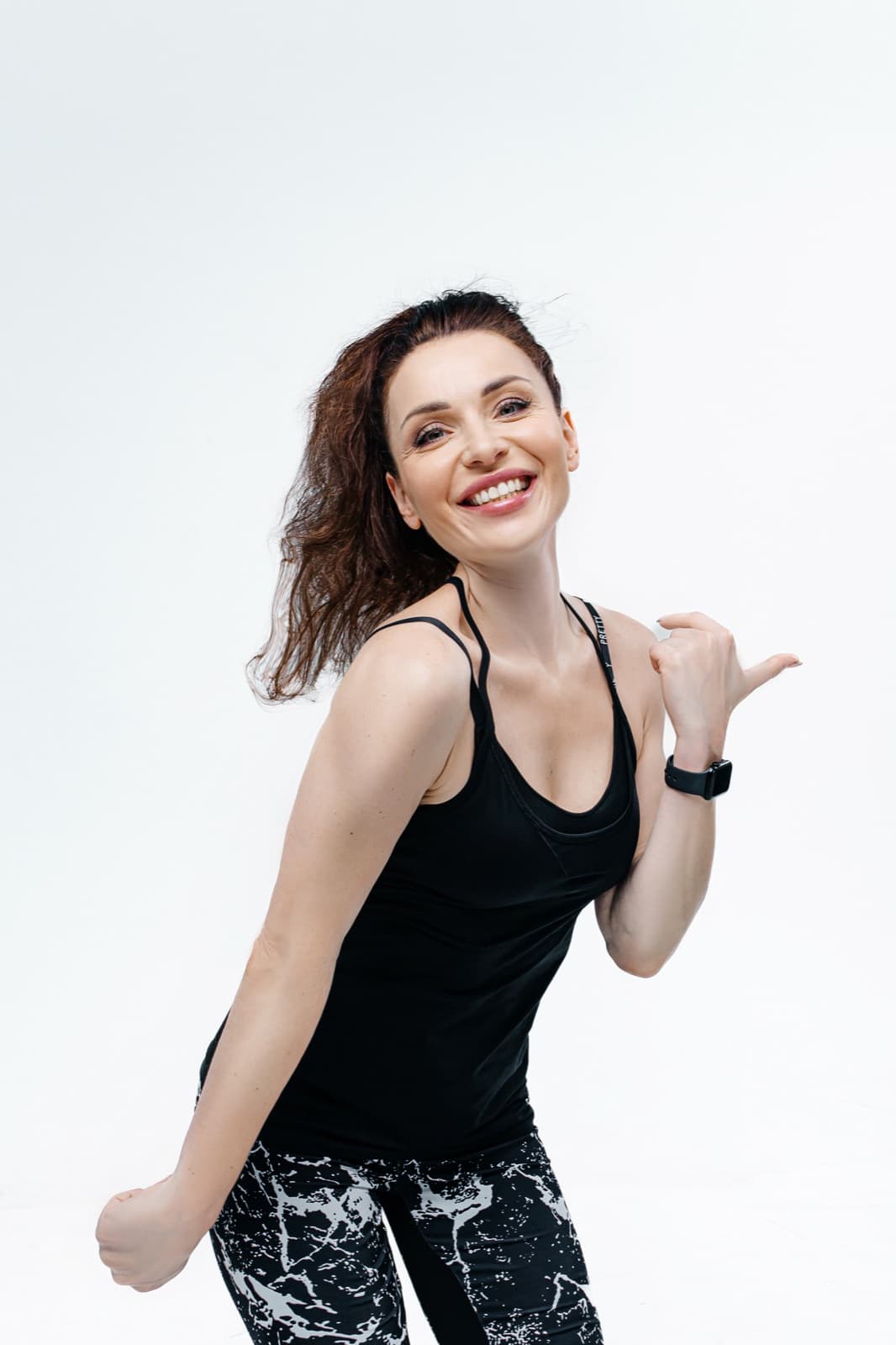
More than most exercise, and more than it gets credit for. Moderate-intensity cardio without the joint impact of running or jump-heavy HIIT. Balance and coordination — the abilities that quietly matter more every decade, and that treadmills and bikes never train. Mood, reliably, from session one. And the underrated one: enjoyment, which is not a bonus feature but the single best predictor that you'll still be exercising in a year. At 40+, the workout you like is the effective workout, because it's the one that keeps happening.
What dance doesn't replace (said honestly)
Strength work. Muscle and bone respond to load, and from 40 onward that response is worth actively courting — dancing provides only light loading. This isn't a reason to panic-buy a gym membership; it's a “pair, don't panic” note. Build the dance habit first — the habit is the hard part — then add two short strength sessions a week: bodyweight or a pair of dumbbells at home is a legitimate start. A cardio habit you love plus a little deliberate strength covers what this decade actually asks for.
Starting safely (without babying yourself)
You're not fragile — but your first week sets the tone. Start with sessions that feel almost too easy; finish wanting more. Keep everything low-impact until your joints have voted. Shrink any move that complains, and treat sharp pain — as opposed to muscle effort — as a stop sign. Take the rest days even when you feel great, because at this age they're where the progress is actually manufactured. And if you're carrying an injury or a condition, have the quick doctor conversation first — a formality for most, but a sensible one.
Check out the 21‑Day Dance Challenge
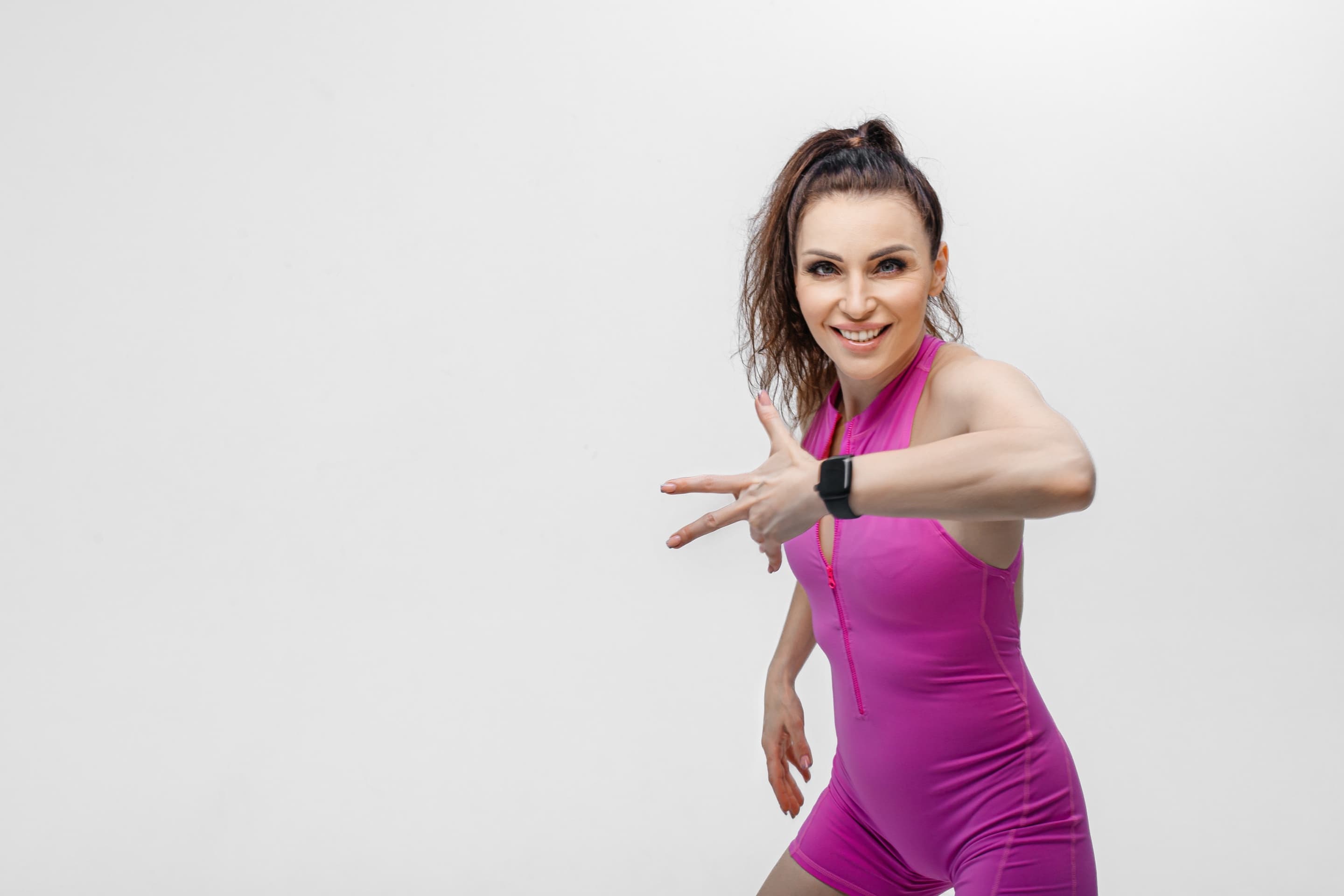
Short, beginner-friendly dance workouts you follow along at home, led by choreographer Anastasiia. The first session is free to watch — no sign-up, just press play and see how it feels.
See the ChallengeCommon questions
- Is dancing enough exercise after 40 or 50?
- For cardio, coordination, balance, and mood — yes, genuinely. For muscle and bone strength — not on its own: research consistently shows resistance work matters more with each decade. The honest combination is dance as the cardio you enjoy and stick with, plus one or two simple strength sessions a week. Dance is the part most plans get wrong, because it's the part people quit; fix that first.
- Can I get in shape at 45 or 50 starting from nothing?
- Yes — bodies adapt to training at every age; it just happens a bit more gradually and rewards consistency over heroics. Expect the same milestones as any returner (mood first, stamina in weeks, visible fitness in a couple of months) on a slightly more patient clock, and expect them to actually arrive if you keep showing up three or four times a week.
- Do I need to add weights alongside a dance challenge?
- Eventually, ideally — muscle and bone respond to load, and dance provides only light loading. But you don't need to solve everything in week one: start with the dance habit, and once it's established, add two short bodyweight or dumbbell sessions a week. A habit you build on beats a perfect plan you abandon.
- What if I have joint pain or haven't exercised in years?
- Choose the low-impact route — stepping patterns, no jumping — and shrink any move that complains. Follow-along videos make that easy because you set the size and pace of every movement. If you have an existing injury, joint disease, or pain that appears with exercise, check with a doctor first; otherwise, start gently and let the first week be easier than you think it should be.
- How soon will I notice a difference?
- Mood and energy: within the first week or two. Stamina: two to three weeks. Visible changes: six to eight weeks, sometimes a little longer at 50+ because recovery is slower — which is normal, not a sign it isn't working. The most reliable early win is quieter: the day a session stops being a negotiation.